
Taking on home improvement work becomes much easier when you start with the right tools and materials. Whether you are fixing a door hinge, assembling furniture, installing shelves, repainting a room, or doing a small renovation, having a reliable hardware checklist for home projects helps you work more efficiently, safely, and with better results.
Many homeowners begin a project only to realize halfway through that they are missing a screwdriver bit, the right wall anchor, an extra measuring tool, or even basic safety equipment. That delay often leads to wasted time, additional expenses, and unnecessary frustration. A well-prepared checklist keeps everything organized before the job even starts.
In this guide, we will walk through the essential tools, hardware supplies, and support materials every homeowner should have on hand. This practical checklist is ideal for DIY beginners, renters, homeowners, and anyone planning repairs, maintenance, or small construction tasks around the house.
Why a Hardware Checklist Matters
A proper hardware checklist for home projects is not just about convenience. It also helps improve the quality of your work. When you have the correct tools and materials ready, you can measure more accurately, cut more cleanly, install more securely, and finish faster.
A checklist also helps you avoid buying the wrong items. Instead of repeatedly visiting the hardware store, you can plan ahead based on the needs of your project. This is especially useful for home repairs, interior improvements, furniture assembly, outdoor maintenance, and renovation preparation.
Most importantly, being prepared reduces the risk of using makeshift alternatives. Using the wrong tool for the job can damage materials, weaken installation quality, and increase the chance of injury.
Basic Hand Tools Every Home Should Have
The foundation of any hardware checklist for home projects starts with dependable hand tools. These are the tools you will use most often for everyday fixes and installations.
A claw hammer is one of the most basic essentials. It is useful for driving nails, removing old nails, and handling minor demolition work. A quality screwdriver set is equally important, especially one that includes both flathead and Phillips types in different sizes. Since modern fixtures and appliances often use specialty screws, a multi-bit screwdriver can be a smart addition.
A tape measure is another must-have. Accurate measurement is critical for hanging frames, fitting shelves, planning layouts, and buying the right materials. A utility knife should also be included for opening packages, trimming material, scoring drywall, and cutting tape or plastic.
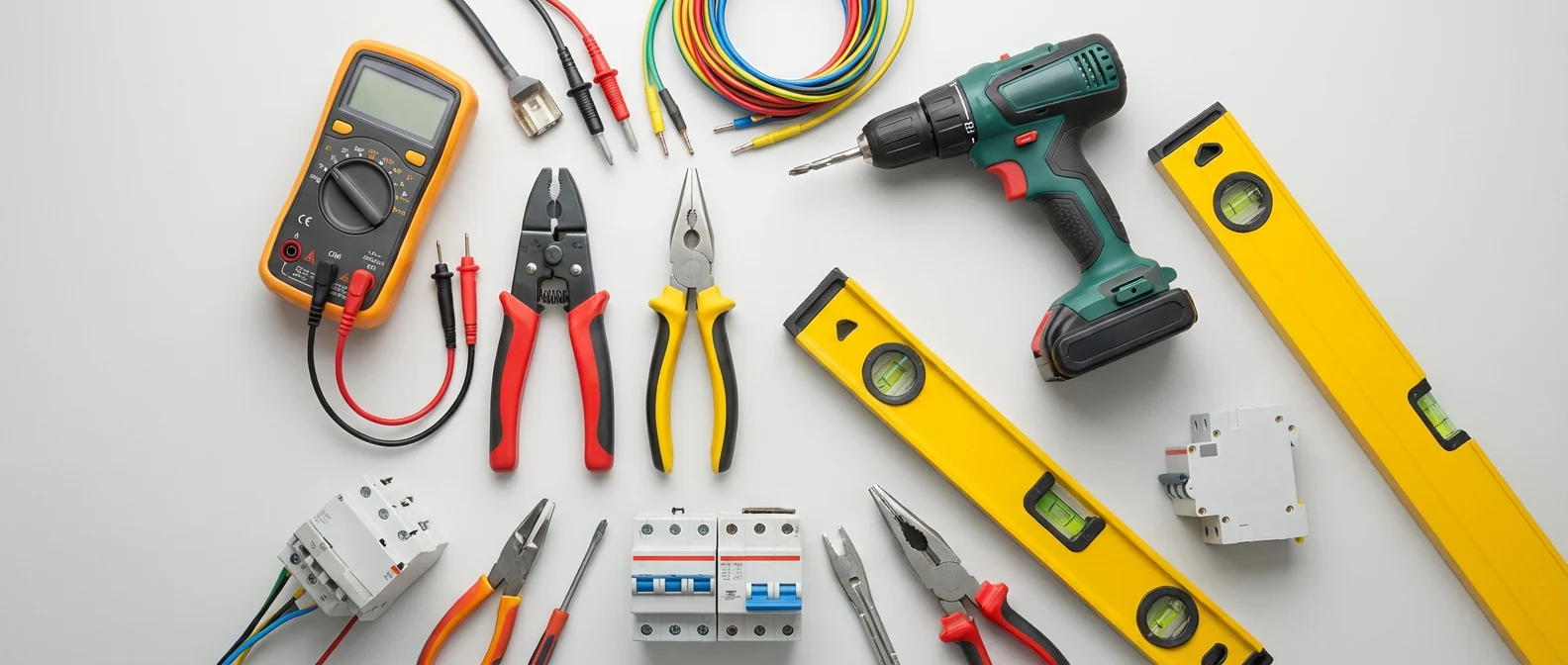
Pliers are extremely useful for gripping, twisting, and cutting wire. It is best to have at least one standard plier, one long-nose plier, and one cutting plier. An adjustable wrench helps with tightening or loosening nuts and bolts in plumbing fixtures, furniture, and hardware assembly.
You should also keep a set of hex keys or Allen wrenches, especially if you often assemble furniture, install fixtures, or work on equipment that uses socket screws.
Power Tools That Save Time and Effort
While hand tools cover basic tasks, power tools make larger home projects much faster and more efficient. If you want a more complete hardware checklist for home projects, a few essential power tools are worth the investment.
A cordless drill is often the first power tool homeowners buy, and for good reason. It is ideal for drilling holes, driving screws, mounting hardware, and assembling furniture. Choose a drill with variable speed and a rechargeable battery system for better versatility.
A drill bit set should go together with your cordless drill. Make sure it includes bits for wood, metal, and masonry if you expect to work on different surfaces. Driver bits are equally important for different screw heads.
A circular saw is useful for straight cuts in plywood, boards, and other construction materials. For lighter tasks, a jigsaw may be a better option because it can handle curved and detailed cuts. If sanding is part of your usual projects, a compact orbital sander helps create smoother and more professional finishes.
Homeowners who frequently handle maintenance tasks may also benefit from a shop vacuum for cleaning dust, debris, and small project waste.
Measuring and Leveling Tools
Accurate measurements are what separate rough work from clean, professional-looking results. No hardware checklist for home projects is complete without the right measuring and leveling tools.
A spirit level helps ensure that shelves, frames, cabinets, and brackets are installed straight. Even a small alignment issue can be very noticeable once a project is finished. A laser level is a helpful upgrade for larger wall installations, tile layouts, or multiple alignment points.
A carpenter’s square is important when marking corners, checking 90-degree angles, and keeping cuts precise. A chalk line can also be useful when marking long, straight lines on walls or surfaces.
A stud finder is highly recommended for mounting heavy items such as wall cabinets, televisions, mirrors, and shelves. It helps locate structural framing behind drywall so installations are more secure.
Fasteners and Fixings to Keep in Stock
Fasteners are one of the most overlooked parts of any hardware checklist for home projects, yet they are essential for nearly every repair and installation task.
Keep a selection of common screws in different lengths and types, including wood screws, drywall screws, and machine screws. Nails are also useful for trim work, hanging, and light construction tasks. Wall plugs or anchors are necessary when mounting into drywall, concrete, or masonry.
Bolts, washers, and nuts are useful for furniture, brackets, outdoor equipment, and structural repairs. Hooks, brackets, and picture hangers can also come in handy for décor and storage projects.
It is best to organize these items in labeled containers or small hardware organizers so you can easily find what you need when starting a project.
Adhesives, Sealants, and Repair Supplies
A strong hardware checklist for home projects should include more than tools and screws. Adhesives and sealants are important for repairs, bonding, patching, and finishing work.
Construction adhesive is useful for bonding heavier materials such as panels, trim, and certain wall installations. Super glue is ideal for quick, small repairs, while wood glue works best for wooden furniture or joinery. Silicone sealant is a must for kitchens, bathrooms, sinks, windows, and areas exposed to moisture.
You should also keep masking tape, duct tape, and electrical tape on hand. Each serves a different purpose and can be extremely useful during repair or installation work. Caulk, patching compound, and wood filler are also valuable for finishing and repair tasks, especially after drilling, cracking, or minor wall damage.
Safety Gear You Should Never Skip
Safety is one of the most important parts of any hardware checklist for home projects. Even simple tasks can create dust, sharp edges, flying debris, noise, or chemical exposure.
At minimum, keep a pair of safety glasses, durable gloves, and a dust mask or respirator. Ear protection is recommended when using loud power tools. If you work on ladders, make sure they are stable and rated for the intended weight and height.
A basic first aid kit should also be nearby in case of cuts, scrapes, or minor injuries. Safe work habits matter just as much as the tools themselves.
Supplies for Painting and Finishing
Many home projects involve surface improvement, so painting and finishing supplies often belong on your checklist. Include paint brushes, rollers, paint trays, drop cloths, painter’s tape, sandpaper, and surface cleaners.
Preparation tools are just as important as the paint itself. Filling cracks, cleaning surfaces, and sanding rough spots lead to better long-term results. A smooth finish always begins with proper prep work.
Storage and Organization Tips
A good hardware checklist for home projects is most effective when your tools and materials are organized. Keep hand tools in a toolbox or wall-mounted storage system. Store screws, anchors, and small items in divided containers. Label everything clearly so you can save time during future projects.
Rechargeable tools should be stored together with their chargers and spare batteries. Keep adhesives and sealants sealed properly and within their recommended storage conditions to maintain usability.
Final Thoughts
Building a reliable hardware checklist for home projects is one of the smartest steps any homeowner can take. It prepares you for everyday maintenance, emergency repairs, upgrades, and improvement work without unnecessary delays or added stress.
From basic hand tools and power tools to fasteners, sealants, safety gear, and finishing supplies, each item plays an important role in helping you complete tasks properly. Whether you are a first-time DIYer or someone who regularly works on home repairs, being well-equipped leads to better workmanship, safer execution, and more confidence in every project.
Before starting your next repair, renovation, or installation, review your checklist and make sure your essentials are complete. The right tools do not just help you get the job done. They help you get it done right.